
After weeks of heavy snow, freezing temperatures, and ice accumulation across Northeast Ohio, the recent thaw may feel like a welcome break.
But as the snow melts and water begins to move, it can reveal hidden risks—especially when it comes to your home or business’s electrical system.
At CLE Electric, we often see an increase in service calls during thaw periods. As ice melts and water finds its way into places it shouldn’t, electrical components can become stressed, damaged, or inefficient—sometimes leading to power interruptions, safety hazards, and higher utility bills.
Here’s what to watch for as temperatures rise and the region transitions out of winter’s deep freeze.
1 - Water Intrusion Around Electrical Components
Melting snow and ice can create unexpected pathways for water to enter your home or facility. This is especially true if ice dams formed on your roof or if snow piled up around foundations and exterior walls.
Be alert for:
Water near electrical panels or breaker boxes
Moisture in basements or utility rooms
Damp outlets or switches on exterior-facing walls
Flickering lights following snowmelt
Water and electricity are a dangerous combination. Even small amounts of moisture can lead to corrosion, short circuits, or tripped breakers. If you notice any signs of dampness near electrical infrastructure, it’s important to have it inspected promptly.
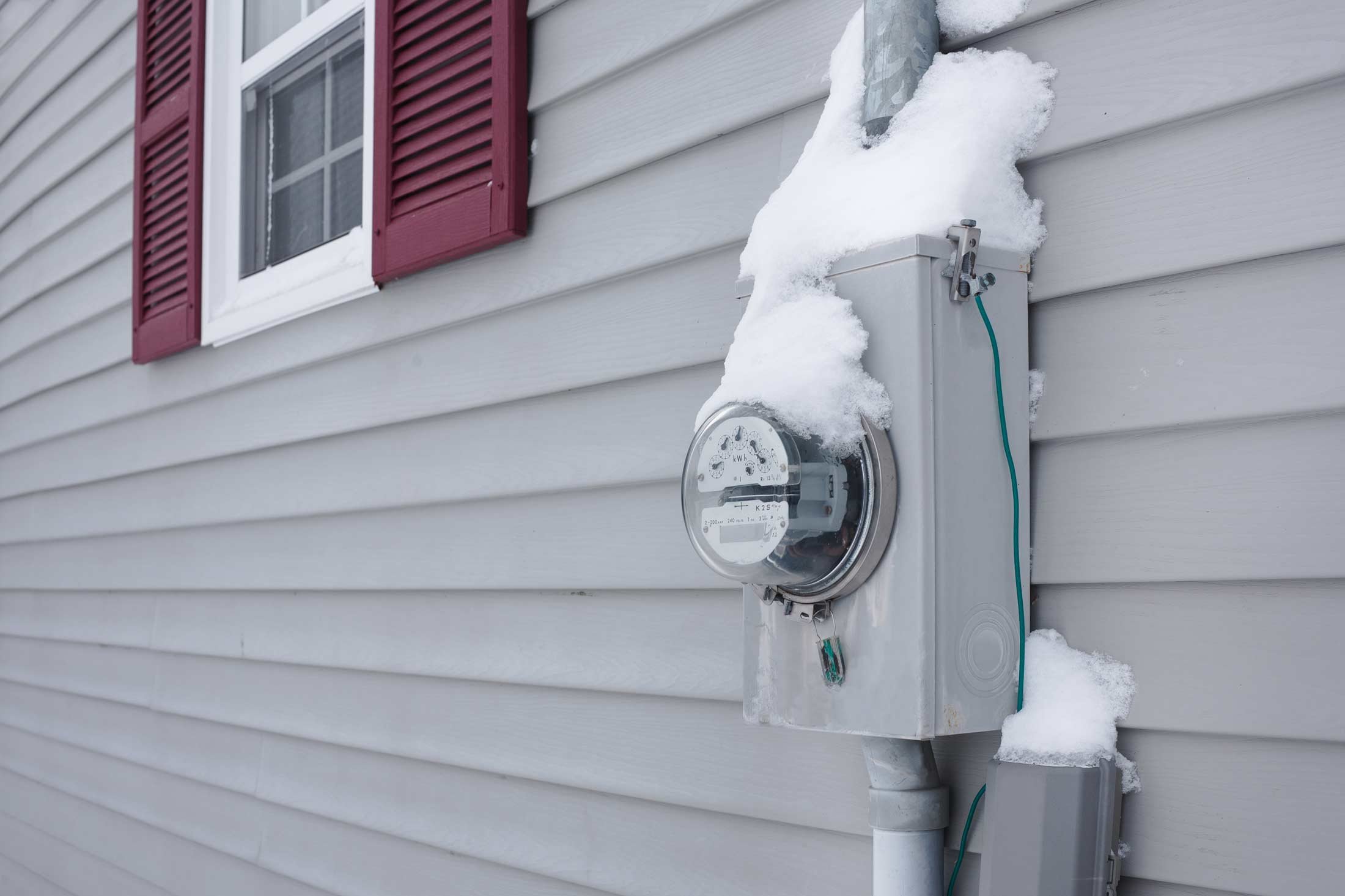
2 - Exterior Meter and Service Line Concerns
During the winter, snow and ice often build up around electrical meters and service lines. As thawing begins, shifting ice and snow can put strain on these components.
Potential issues include:
Loose or damaged meter boxes
Water pooling around the base of your electrical service
Sagging overhead service lines weighed down by melting ice
Rust or corrosion that was hidden beneath snow cover
If your meter area has been buried or exposed to constant moisture, it may affect electrical efficiency or reliability.
3 - GFCI Outlets Tripping More Frequently
Ground Fault Circuit Interrupter (GFCI) outlets—commonly found in kitchens, bathrooms, garages, and outdoor areas—are designed to shut off power when moisture is detected. During thaw conditions, these outlets may begin tripping more often.
This can be a sign that:
Moisture has entered an outdoor outlet box
Underground wiring has been affected by melting snow
Exterior fixtures are experiencing water intrusion
While GFCIs are doing their job to protect you, repeated tripping shouldn’t be ignored. It may indicate a deeper issue that needs attention.
4 - Increased Power Usage (and Higher Bills)
As temperatures fluctuate during the thaw, your electrical system may work harder than usual. Between sump pumps running more frequently, space heaters still in use, and HVAC systems adjusting to changing conditions, energy consumption can spike.
Additionally, hidden electrical inefficiencies caused by moisture, corrosion, or damaged wiring can lead to power loss—meaning you’re paying for energy that isn’t being used effectively.
Watch for:
Unexpected increases in your electric bill
Appliances running less efficiently
Breakers tripping under normal loads
These can all point to electrical strain or compromised components.
5 - Sump Pump and Basement System Strain
One of the biggest electrical demands during a thaw is your sump pump. As melting snow saturates the ground, pumps often run constantly to keep basements dry.
This can lead to:
Overloaded circuits
Worn-out sump pump motors
Increased risk of electrical failure if moisture spreads
If your sump pump is working overtime, it’s worth ensuring the circuit powering it is safe, stable, and protected.
Don’t Ignore the Warning Signs
The transition from deep freeze to thaw can uncover problems that have been quietly developing all winter. Addressing them early can prevent more serious and costly issues down the road.
Call a professional electrician if you notice:
Flickering or dimming lights
Breakers tripping repeatedly
Burning smells near outlets or panels
Buzzing sounds from electrical components
Moisture near electrical equipment
These are all signs that your system may need attention.
Stay Safe and Proactive This Season
While the thaw signals the end of the harshest winter conditions, it also creates a unique set of challenges for electrical systems. A quick inspection now can help prevent outages, safety risks, and unnecessary energy costs later.